|



MV anecdotes
 Marvel Superheroes
 Secrets of Strixhaven
 Teenage Mutant Ninja Turtles
 Lorwyn Eclipsed
 Avatar: the Last Airbender
 Spider-Man / Omenpaths
 Edge of Eternities
| 1108 anecdotes trouvées |   |
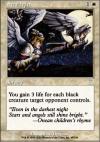
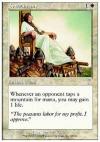
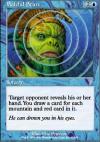
Les dix cartes Starlight, Sanctimony, Baleful Stare, Hibernation, Bereavement, Yawgmoth's Edict, Disorder, Boil, Thoughtleech et Compost, de l'édition 7th Edition, forment un cycle de "Color-Hosers".
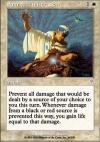

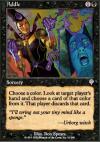
Les cinq cartes Samite Ministration, Essence Leak, Addle, Lightning Dart et Wallop, de l'édition Invasion, forment un cycle de "Color-Hosers".
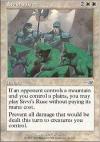
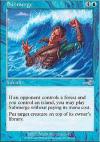
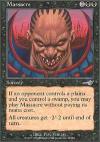
Les cinq cartes Sivvi's Ruse, Submerge, Massacre, Mogg Salvage et Refreshing Rain, de l'édition Nemesis, forment un cycle.
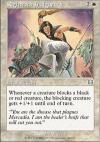

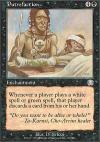
Les cinq cartes Righteous Indignation, High Seas, Putrefaction, Magistrate's Veto et Snake Pit, de l'édition Mercadian Masques, forment un cycle de "Color-Hosers".
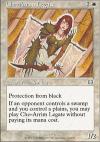
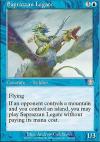
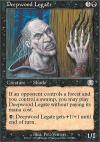
Les cinq cartes Cho-Arrim Legate, Saprazzan Legate, Deepwood Legate, Kyren Legate et Rushwood Legate, de l'édition Mercadian Masques, forment un cycle appelé "Legate".
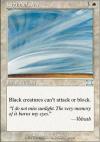
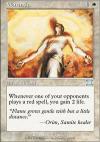
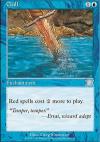
Les dix cartes Light of Day, Warmth, Chill, Insight, Perish, Dread of Night, Flashfires, Boil, River Boa et Warthog, de l'édition 6th Edition, forment un cycle de "Color-Hosers".
Les dix cartes Absolute Grace, Absolute Law, Douse, Hibernation, Bereavement, Yawgmoth's Edict, Disorder, Scald, Carpet of Flowers et Spreading Algae, de l'édition Urza's Saga, forment un cycle de "Color-Hosers".
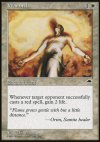
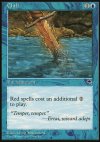
Les dix cartes Light of Day, Warmth, Chill, Insight, Perish, Dread of Night, Havoc, Boil, Choke et Reap, de l'édition Tempest, forment un cycle de "Color-Hosers".
Ce cycle est paru à l'identique dans l'édition 6th Edition, à l'exception des cartes Havoc, Choke et Reap (voir cette anecdote).
Ce cycle est paru à l'identique dans l'édition 6th Edition, à l'exception des cartes Havoc, Choke et Reap (voir cette anecdote).
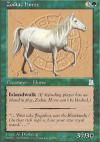
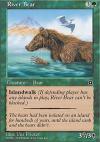

Les cartes Zodiac Horse et River Bear sont des réimpressions fonctionnelles de Bull Hippo, à part pour le type de créature.
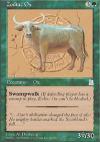
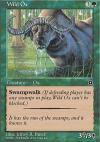
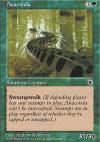
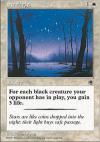

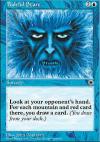
Les dix cartes Starlight, Renewing Dawn, Baleful Stare, Withering Gaze, Nature's Ruin, Virtue's Ruin, Flashfires, Boiling Seas, Bull Hippo et Anaconda, de l'édition Portal, forment un cycle de "Color-Hosers".
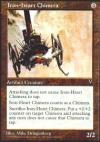
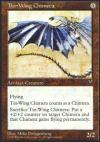
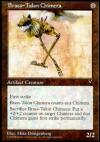
Les quatre cartes Iron-Heart Chimera, Tin-Wing Chimera, Brass-Talon Chimera et Lead-Belly Chimera, de l'édition Visions et illustrées par Mike Dringenberg, forment un cycle appelé "Chimera".
L'artiste a utilisé quatre fois le même schéma, légèrement décalé, en arrière-plan de l'illustration de chaque carte : en observant bien, on peut voir qu'il correspond à l'assemblage des quatre créatures... :
• à gauche, Brass-Talon Chimera
• au milieu, Iron-Heart Chimera
• à droite, Lead-Belly Chimera
• au-dessus, Tin-Wing Chimera
L'artiste a utilisé quatre fois le même schéma, légèrement décalé, en arrière-plan de l'illustration de chaque carte : en observant bien, on peut voir qu'il correspond à l'assemblage des quatre créatures... :
• à gauche, Brass-Talon Chimera
• au milieu, Iron-Heart Chimera
• à droite, Lead-Belly Chimera
• au-dessus, Tin-Wing Chimera
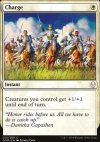
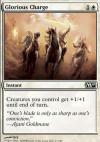
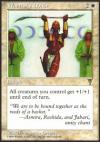
La carte Charge est une version améliorée de Glorious Charge, qui est elle-même une version améliorée de Warrior's Honor.
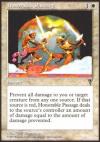
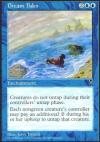
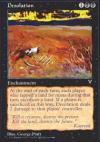
Les cinq cartes Honorable Passage, Dream Tides, Desolation, Heat Wave et Elephant Grass, de l'édition Visions, forment un cycle de "Color-Hosers".
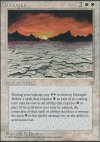
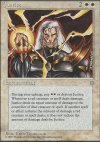
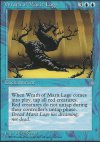
Les dix cartes Drought, Justice, Wrath of Marit Lage, Breath of Dreams, Leshrac's Sigil, Stench of Evil, Anarchy, Curse of Marit Lage, Thoughtleech et Freyalise's Charm, de l'édition Ice Age, forment un cycle de "Color-Hosers".

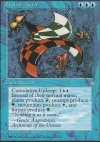
La carte Naked Singularity est une version artefact de la carte Reality Twist ; la généralisation à tous les types de terrain de base, îles incluses, entraînant deux décalages dans le décalage initial des couleurs de mana produites.


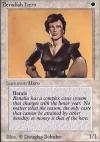
La carte Kjeldoran Warrior est une réimpression fonctionnelle de Benalish Hero, à part pour le type de créature.
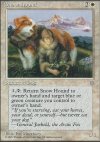
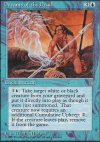
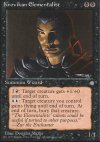
Les cinq cartes Snow Hound, Dreams of the Dead, Krovikan Elementalist, Orcish Healer et Freyalise Supplicant, de l'édition Ice Age, forment un cycle.
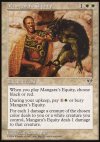
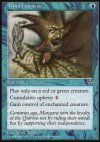
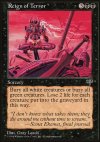
Les cinq cartes Mangara's Equity, Mind Harness, Reign of Terror, Reign of Chaos et Roots of Life, de l'édition Mirage, forment un cycle de "Color-Hosers".
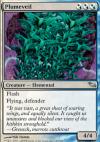
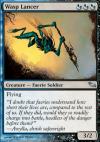
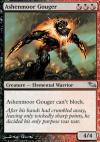
Les cinq cartes Plumeveil, Wasp Lancer, Ashenmoor Gouger, Boggart Ram-Gang et Wilt-Leaf Cavaliers, de l'édition Shadowmoor, forment un cycle.
Source 1 ( #2) Ashenmoor Gouger - #8) Boggart Ram-Gang ) - Source 2 ( #62) Plumeveil - #104) Wasp Lancer - "The triple-hybrid creatures at uncommon (yes, it's a cycle) all have very simple abilities—mostly keyworded ones. [...]" - #106) Wilt-Leaf Cavaliers )
Source 1 ( #2) Ashenmoor Gouger - #8) Boggart Ram-Gang ) - Source 2 ( #62) Plumeveil - #104) Wasp Lancer - "The triple-hybrid creatures at uncommon (yes, it's a cycle) all have very simple abilities—mostly keyworded ones. [...]" - #106) Wilt-Leaf Cavaliers )
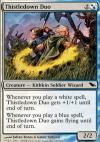
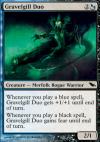
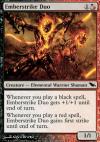
Les cinq cartes Thistledown Duo, Gravelgill Duo, Emberstrike Duo, Tattermunge Duo et Safehold Duo, de l'édition Shadowmoor, forment un cycle appelé "Duo".
Ce cycle a inspiré un cycle similaire, paru dans l'édition Bloomburrow (voir cette anecdote).
Source 1 ( #19) Emberstrike Duo - "[...] +1/+1 bonus seems odd for certain colors. While we wouldn't do the bonus in isolation on certain colors, power / toughness boosting is enough of a basic ability that it's pretty much shared by all colors at a low level, and so we felt fine using it on a cycle. [...]") - Source 2 ( #56) Gravelgill Duo - "[...] The other question this cycle generated was why one color produced a cumulative effect (that is, one that mattered if it triggered multiple times in a turn) and the other side did not. The answer is that there just aren't that many cumulative effects, especially in creature keywords which is what we wanted to grant. [...]" - #72) Safehold Duo - #90) Tattermunge Duo - #93) Thistledown Duo ) - Source 3 (The Glue - "[...] We ended up using an idea we'd talked about in Lorwyn design, what we call duos. The idea of a duo is that it represents two creatures working together. This allows us to put two creature types on the card, making it attractive to drafters drafting either creature type. [...] This also helps with boosting the as-fan of each creature type.")
Ce cycle a inspiré un cycle similaire, paru dans l'édition Bloomburrow (voir cette anecdote).
Source 1 ( #19) Emberstrike Duo - "[...] +1/+1 bonus seems odd for certain colors. While we wouldn't do the bonus in isolation on certain colors, power / toughness boosting is enough of a basic ability that it's pretty much shared by all colors at a low level, and so we felt fine using it on a cycle. [...]") - Source 2 ( #56) Gravelgill Duo - "[...] The other question this cycle generated was why one color produced a cumulative effect (that is, one that mattered if it triggered multiple times in a turn) and the other side did not. The answer is that there just aren't that many cumulative effects, especially in creature keywords which is what we wanted to grant. [...]" - #72) Safehold Duo - #90) Tattermunge Duo - #93) Thistledown Duo ) - Source 3 (The Glue - "[...] We ended up using an idea we'd talked about in Lorwyn design, what we call duos. The idea of a duo is that it represents two creatures working together. This allows us to put two creature types on the card, making it attractive to drafters drafting either creature type. [...] This also helps with boosting the as-fan of each creature type.")
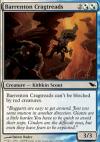
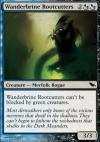
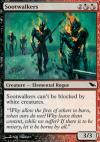
Les cinq cartes Barrenton Cragtreads, Wanderbrine Rootcutters, Sootwalkers, Mudbrawler Raiders et Raven's Run Dragoon, de l'édition Shadowmoor, forment un cycle.
Source 1 ( #6) Barrenton Cragtreads - "[...] We felt if each color was allowed to have protection from its enemy color that it could have a subset of that ability." - #54) Mudbrawler Raiders ) - Source 2 ( #65) Raven's Run Dragoon - #84) Sootwalkers - "When evaluating this cycle, remember that it is unblockable by forty percent of the creatures in the environment. While not identical, this percentage is very close to the percentage of decks a landwalker can successfully landwalk against [...]" - #103) Wanderbrine Rootcutters )
Source 1 ( #6) Barrenton Cragtreads - "[...] We felt if each color was allowed to have protection from its enemy color that it could have a subset of that ability." - #54) Mudbrawler Raiders ) - Source 2 ( #65) Raven's Run Dragoon - #84) Sootwalkers - "When evaluating this cycle, remember that it is unblockable by forty percent of the creatures in the environment. While not identical, this percentage is very close to the percentage of decks a landwalker can successfully landwalk against [...]" - #103) Wanderbrine Rootcutters )
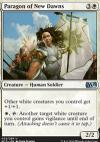
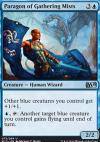
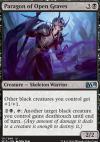
Les cinq cartes Paragon of New Dawns, Paragon of Gathering Mists, Paragon of Open Graves, Paragon of Fierce Defiance et Paragon of Eternal Wilds, de l'édition Magic 2015, forment un cycle appelé "Paragon".
| 1108 anecdotes trouvées | |